
Maine farms and hobby farms
Farms for sale in Maine: financing a farmhouse or hobby farm you live on
Travis Penny, Mortgage Broker, NMLS 1649161, Vision Mortgage, LLC NMLS 1286953.
Reviewed by Travis Penny, NMLS 1649161
Last reviewed October 20, 2026
Quick answer: Many Maine farms for sale can be financed with a regular home loan when the place is really a home with some land: a farmhouse, a few acres, a barn, maybe some animals or a garden for your own family. If the property is a working farm that earns its keep, it needs an agricultural or commercial loan, which I do not arrange. The appraisal, the acreage, the outbuildings and any farm income decide which side of that line it falls on. All loans are subject to credit, income, property and program guidelines. Not everyone will qualify.
Travis Penny, NMLS 1649161 | Vision Mortgage, NMLS 1286953. Subject to credit approval, income, property and program guidelines. Not all applicants qualify. Programs and guidelines can change without notice. Equal Housing Opportunity.
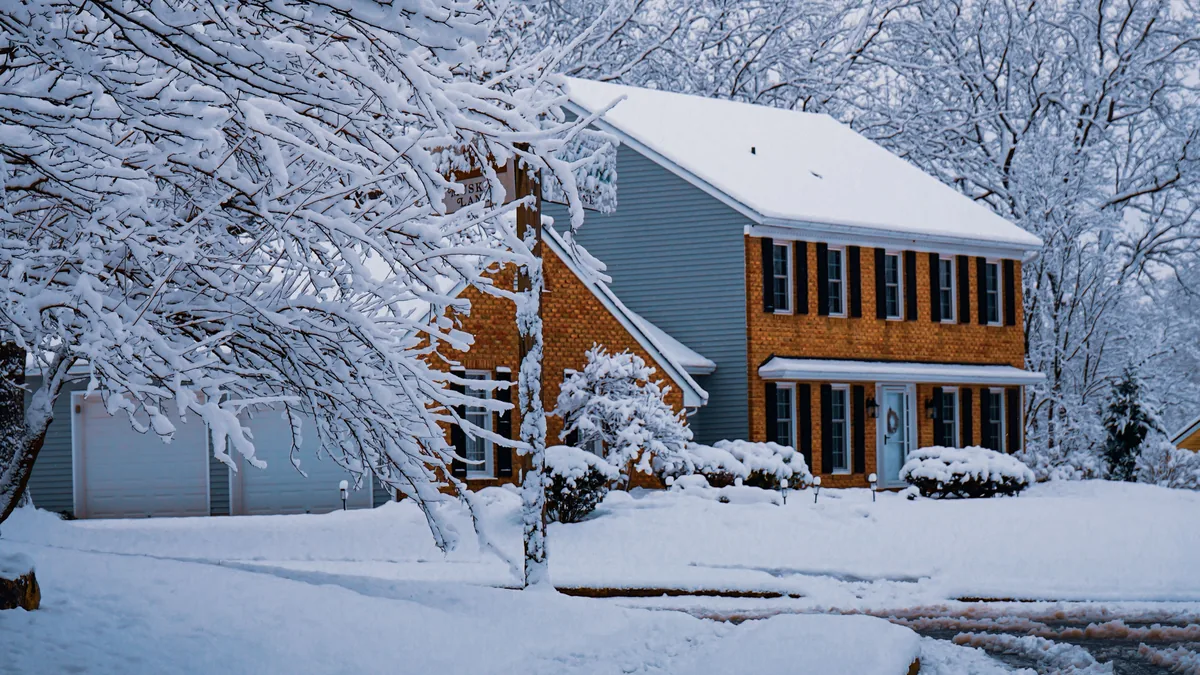
A farmhouse with land, or a farm business?
Browsing farms for sale in Maine, you will see everything from an old connected farmhouse on five acres to a dairy operation with free stall barns and hundreds of tillable acres. To a lender those are two different things.
A residential mortgage finances a home. The land, barn and sheds come along with it as long as the property is mainly a place to live and it looks like other homes with land in that area. A commercial or agricultural loan finances a business that happens to include a house. I arrange the first kind. If your plan is the second kind, I will tell you on the first call so you can talk to a local bank or agricultural lender that does farm loans.
I'm Travis Penny, a Maine and Florida mortgage broker, and I'm not tied to one bank. I compare multiple lenders for your loan and then stay with it myself, start to finish. Rural Maine homes with land are a regular part of my week.
What makes it a hobby farm loan
There is no special product called a hobby farm loan. It is a regular primary home or second home mortgage on a property where you keep a few animals, grow food, cut your own firewood or board your own horses. The things that keep it a residential file:
- You live there full time, or use it yourself as a second home
- The house is the main value of the property, not the farm buildings or equipment
- The acreage is in line with other homes with land nearby
- Any income from the land is small and is not what you need to qualify
Selling eggs at the end of the driveway is not a farm business. Leasing out your fields, running a farm stand, or reporting farm income or losses on your tax return is something I need to know up front, because it changes how the lender looks at both the property and your income.
Acreage and the appraisal
Many residential programs do not set one hard acreage limit, but individual lenders can, and the appraisal is the real test. The appraiser needs recent sales of similar homes with similar land in the same market. If every comparable sale nearby is a house on two to ten acres and the farm you want sits on ninety, much of that extra land may add little to the appraised value, and the lender lends on the appraised value.
That is why I ask for the listing before you make an offer. I want to see the acreage, the road frontage and what has sold nearby so neither of us is surprised when the appraisal comes back.
Barns, outbuildings and animals
Barns, sheds, garages and run in sheds are normal on Maine properties and do not stop a residential loan. The appraiser looks at whether they are typical for the area and in reasonable shape. A big old barn may get little value in the appraisal, and one that is falling in can become a safety repair before closing.
What raises a flag is a property built around production: commercial poultry houses, milking parlors, large equipment buildings or greenhouses meant for sales. Keeping horses, chickens, goats or a few beef cattle for your family is usually fine. Running a business with them is a different loan.
Wells, septic, roads and current use tax
Rural Maine homes come with rural questions:
Water and septic. Most farmhouses have a private well and septic system. I want to know the age and location of both, and lenders may ask for a water test. A dug well that runs low in August or a septic system nobody can find is worth learning about early.
Road access. A town maintained road is the easy case. A long private drive or shared road needs a recorded access and maintenance agreement.
Current use tax programs. Some Maine farmland and woodland is enrolled in the state's Farmland or Tree Growth current use tax programs. Enrollment can lower the tax bill, and taking land out early can trigger a penalty. Ask the seller and the town assessor how the land is enrolled and what happens if you change its use.
Old farmhouses. Many Maine farmhouses are well over a hundred years old, with fieldstone foundations, older wiring and the house, ell and barn connected. That is fine when the systems work, but the inspection matters.
USDA for a rural primary home
If you will live in the farmhouse full time, a USDA Rural Development loan can be a good fit when the address is in an eligible area, your household income fits the limit for the county, and the property is a home and not an income producing farm. USDA guidelines do not require a down payment for eligible buyers. Outbuildings are fine when they are not used for a farm business. My Maine USDA loans page explains how I check the address and income. FHA, VA and conventional loans are also options for a primary home when you and the property fit.
Hobby farm as a second home
A farmhouse you use yourself part of the year can be financed as a second home on a conventional loan. It has to be a single unit, you have to use it yourself, and it cannot be rented out. FHA, VA and USDA are for homes you live in. My vacation home loans page covers the occupancy rules, and if the place is closer to a camp than a farm, see my guide to Maine camps, cabins and lake homes.
Farm land for sale in Maine with no house
If you are looking at farm land for sale in Maine with no house on it, that is a land purchase, not a home loan. The cleanest path is usually buying the land and building in one closing. My Maine land loans page covers that and what to do if you are not ready to build yet.
Building a farmhouse
If you want to build a new farmhouse on land you buy or already own, a one time close construction loan in Maine wraps the land, the build and the permanent mortgage into one closing. For eligible rural primary homes, I also arrange USDA one time close construction.
Using the equity in your current home
If you already own a home in Maine or Florida, a HELOC on your Maine home or a lump sum Maine home equity loan can cover a down payment or buy land outright. That can help when the farm itself would be hard to finance on its own. Not everyone will qualify.
What to send me before you make an offer
- The listing link or address
- Whether you will live there, use it as a second home, or farm it as a business
- Total acres and what is on them: house, barns, sheds, fields, woodlot
- Any income the land produces now or that you plan to earn from it
- Well, septic and road details you know so far
- Whether you own a Maine or Florida home that a HELOC could come from
I'll tell you plainly whether I see a residential path or whether you need a farm lender. I started in 2004 and I'm still here. Call or text me at (207) 615-7770, email travis@travis.mortgage, or use my contact page.
Frequently asked questions
Can I get a mortgage on a farm for sale in Maine?
Yes, when the property is mainly a home with land that you live in or use as a second home. A residential loan covers the house, the acreage and the outbuildings. A working farm that earns income needs an agricultural or commercial loan, which I do not arrange. Not everyone will qualify.
What is a hobby farm loan?
It is a regular primary home or second home mortgage on a property where you keep animals, grow food or board your own horses for your family, not as a business. The house has to be the main value and the land has to be in line with other homes with acreage nearby.
How many acres can a residential mortgage cover in Maine?
Many residential programs do not set one hard acreage limit, but individual lenders can, and the appraisal decides. The appraiser needs comparable sales with similar land. Extra acreage beyond what is typical nearby may add little to the appraised value.
Do barns and outbuildings affect a farmhouse loan?
Barns, sheds and garages are normal and do not stop a residential loan. They may get little value in the appraisal, and one in poor shape can become a repair item. Buildings set up for commercial production point toward a farm loan instead.
Can I use a USDA loan to buy a farmhouse in Maine?
Yes, if you will live there full time, the address is in an eligible area, your household income fits the county limit and the property is not an income producing farm. USDA guidelines do not require a down payment for eligible buyers. Not everyone will qualify.
Can I finance farm land for sale in Maine with no house on it?
Not with a regular home loan. If you plan to build, a one time close construction loan can cover the land and the build in one closing. My Maine land loans page explains the options.
Can a Maine farmhouse be my second home?
Yes, on a conventional loan, if it is a single unit that you use yourself part of the year and do not rent out. FHA, VA and USDA are for homes you live in full time.
Can I sell some eggs or vegetables and still use a residential loan?
Small, occasional sales are usually not a problem. Leased fields, a farm stand or farm income on your tax return need a closer look, so tell me about them before you apply.
Keep exploring
Not sure which loan fits?
Answer seven quick questions and I'll point you to the right program.
Want a real human to walk you through this?
I'll lay out your options in plain English. No pressure, no scripts.