
NYC Co-op vs Condo: Which Works for a DSCR Investor?
By Travis Penny, mortgage broker ·
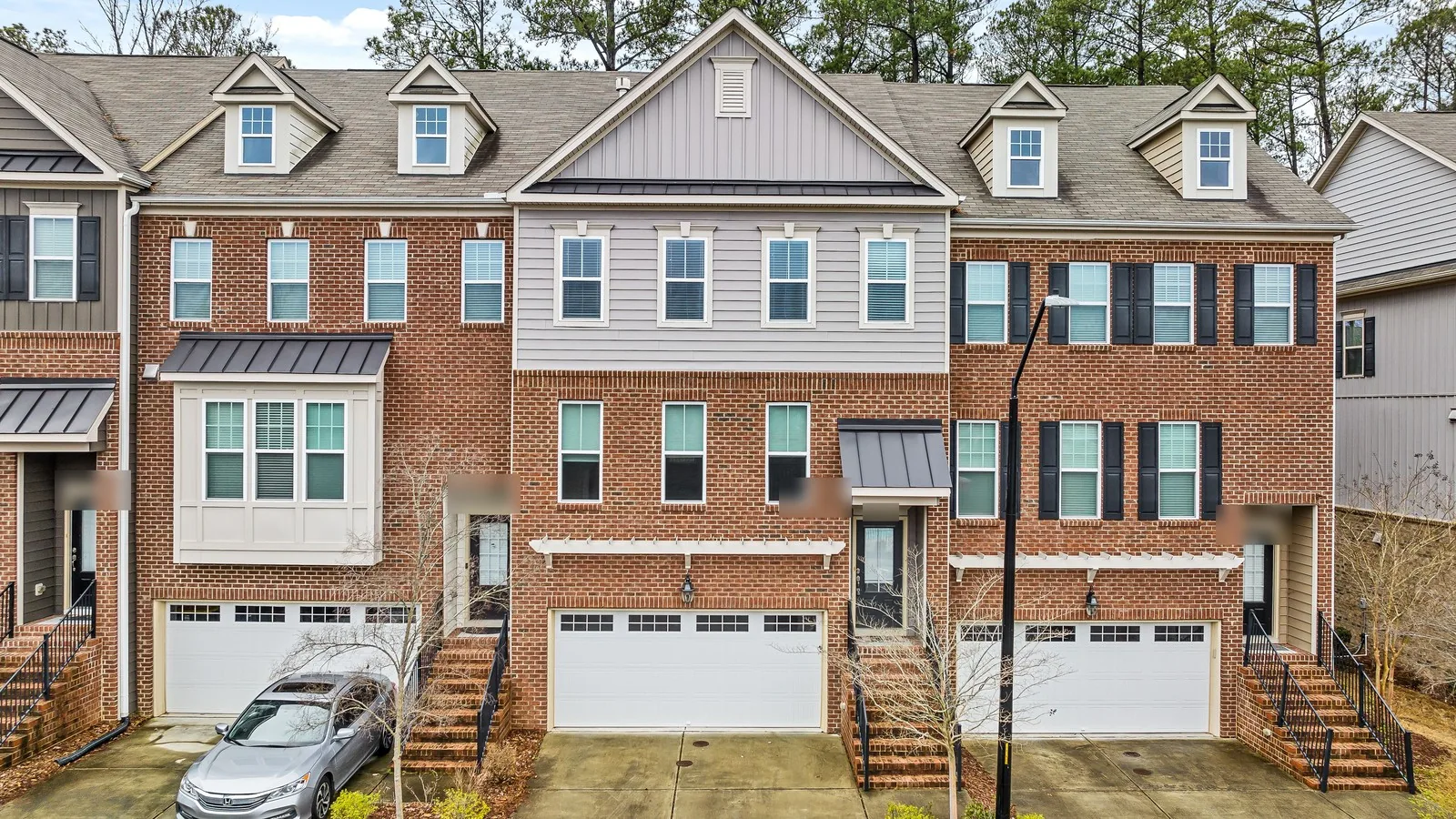
I'm Travis Penny, and for a DSCR investment loan in New York, a condo is the path. I don't finance co-ops, so if you're buying a rental unit in the city with a DSCR loan, you're shopping condos. Here's why, and what to check before you bid. If you're new to how these loans work, start with my DSCR loans page, and run your own numbers on the DSCR calculator.
What you actually own
A condo is deeded real estate. You get a deed to your unit and a share of the common areas, and the loan is a recorded mortgage on that unit, the same way it works on a house.
A co-op is different. You don't own real estate. You own shares in a corporation that owns the building, plus a proprietary lease that lets you occupy a unit. The financing on a co-op is a share loan secured by those shares and the lease, not a mortgage on real property. Co-op share loans aren't recorded mortgages, so the mortgage recording tax doesn't apply.
For a DSCR loan, the lender wants real property it can put a recorded lien on. That's the core reason co-ops sit outside what I do.
Board approval and sublet limits
Co-op boards approve buyers, and most of them restrict subletting. Some cap how long you can rent your unit out, some require you to live there first, and some don't allow it at all. Those are board rules, not state law, and they vary building to building. For an investor whose whole plan is rent, that's a problem.
Condos usually give owners much more room to rent, though some condo boards still have leasing rules. Read the bylaws and house rules before you sign anything.
The secondary market won't take investor co-ops
Fannie Mae will buy a co-op share loan only for a principal residence or a second home. It won't buy one on an investment property. That shapes the whole market. When the biggest buyer of loans says no to investor co-ops, most investor lenders follow, and DSCR programs generally exclude them too.
Condo building approval
A condo still has to pass a building review. Lenders look at things like how many units are rented versus owner occupied, how much any one owner holds, whether the association is in litigation, its budget and reserves, and any commercial space. A building that misses those standards is called non-warrantable. Non-warrantable doesn't always mean no, but it narrows the options and can change the terms. Not everyone will qualify.
This is why I ask for the building address early. I'd rather tell you about a building problem before you spend money on an attorney and a contract.
Good Cause and condo units
One more point in a condo's favor for an investor: under New York's Good Cause Eviction law, condo and co-op units are on the exemption list. So a condo rental isn't subject to the Good Cause rent increase cap the way some other rentals are. Confirm your own situation with a New York attorney, but that's how the exemption list reads.
How the DSCR side works
A DSCR loan qualifies off the property's rent compared to the payment, including taxes, insurance and the condo's common charges. The loan closes in an LLC or corporation, and a personal guaranty is normal. These are business purpose loans on investment property only. For city specifics, see my New York City DSCR page.
I started in 2004 and I'm still here. The investors who do best in the city are the ones who check the building before they fall in love with the unit.
Residential home loans in Maine and Florida. DSCR loans on investment and rental properties in 38 states.
Want me to look at your deal? Run it through the DSCR calculator, read up on DSCR loans, then text me at (207) 615-7770 or use the contact form on this site.
Travis Penny, NMLS 1649161 | Vision Mortgage, NMLS 1286953. Subject to credit approval, income, property and program guidelines. Not all applicants qualify. Programs and guidelines can change without notice. Equal Housing Opportunity.
FAQ
- Can you get a DSCR loan on a co-op in NYC?
- Not with me. I don't finance co-ops. Co-op share loans aren't real estate mortgages, boards usually restrict renting, and the secondary market won't buy investor co-op loans. A condo is the DSCR path.
- Can I buy a NYC condo for a rental with a DSCR loan?
- Yes, if the unit and the building meet the program's guidelines and the rent supports the payment. The loan closes in an LLC or corporation, investment property only. Not everyone will qualify.
- What should I send you before I make an offer?
- The building address, the asking price, the common charges and taxes, and what the unit rents for or would rent for. I'll tell you plainly whether it fits.
Does the rent cover the payment?
Enter the rent and the full monthly payment to see the DSCR on a property before you make an offer.
Run your numbers