
HELOC on an Investment Property: How a DSCR HELOC Works on a Rental
By Travis Penny, mortgage broker ·
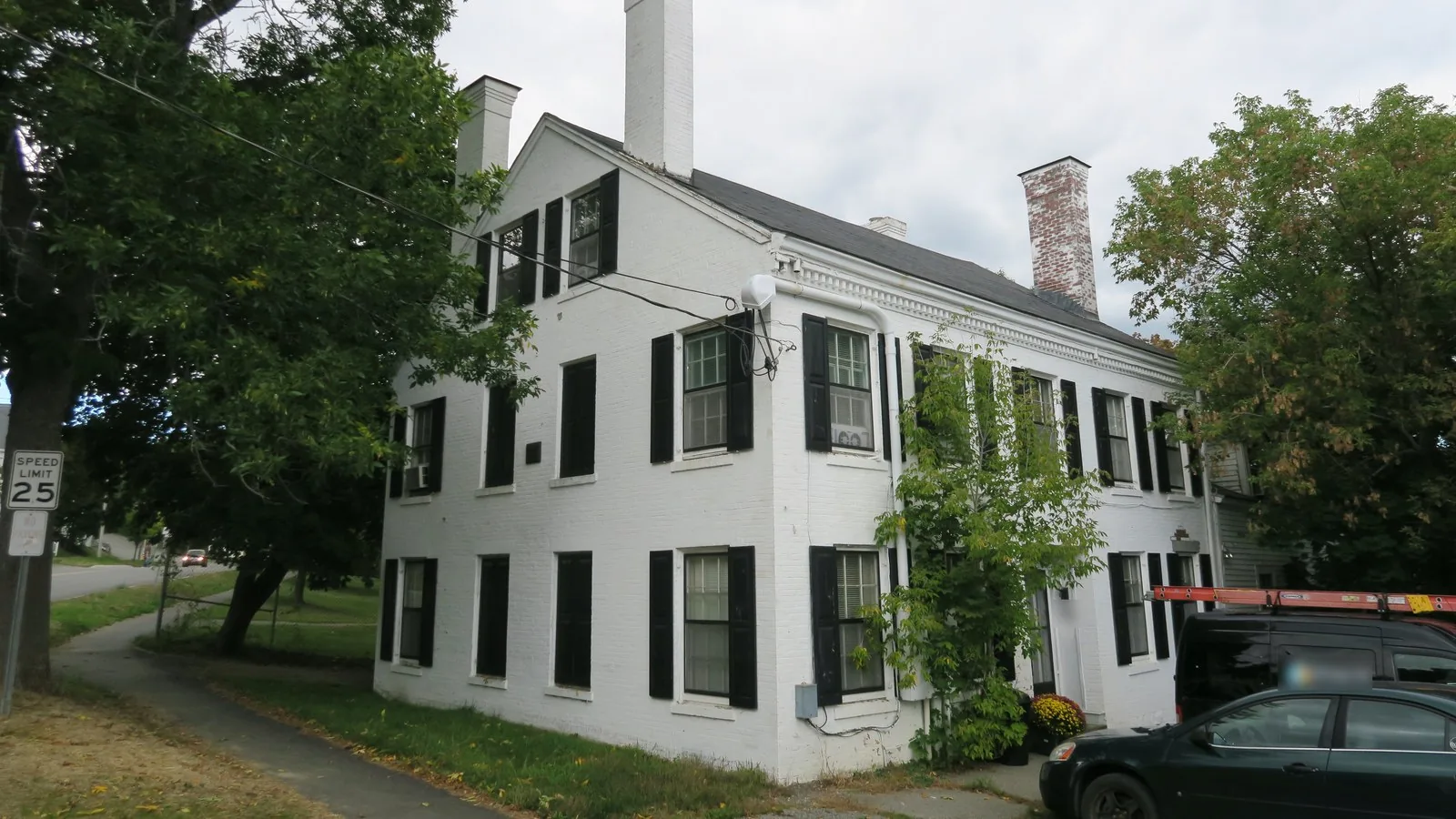
You bought the duplex years ago. The tenants renew, the rent has grown, and the equity has built up quietly in the background. Now you'd like to put that equity to work without giving up the first mortgage you already have.
That's usually when investors call me. The answer is often a DSCR HELOC on a rental property, and this guide covers how it works, who it fits, and where I can arrange one.
What is a HELOC on an investment property?
A HELOC is a home equity line of credit. The CFPB describes it as an open end line of credit that lets you borrow repeatedly against your equity, which is the value of the property minus what you owe on it.
On an investment property, the idea is the same. You get a credit limit secured by the rental, you draw what you need during the draw period, and you repay it over time. Some programs also ask you to take a large share of the line at closing, so a line on a rental can behave more like a loan than you might expect.
How is a DSCR HELOC different from a traditional HELOC?
The difference is how you qualify. A traditional HELOC on the home you live in is a consumer loan, and the lender looks at your pay stubs, tax returns, and debt to income ratio.
A DSCR HELOC looks first at the property. DSCR stands for debt service coverage ratio, which is the monthly rent divided by the full monthly payment. If the rent covers the payment, the property is doing the qualifying, not your W-2.
There's a second difference that matters just as much. A DSCR HELOC is a business purpose loan. Under the CFPB's Regulation Z commentary, credit to acquire, improve, or maintain a rental that isn't owner occupied is treated as business purpose credit. If you plan to stay in the property more than 14 days in the coming year, that rule doesn't apply, and the property isn't a fit for a DSCR HELOC. The money also needs to go to business purposes, such as another rental, a renovation, or reserves, not personal, family, or household spending.
When does a DSCR HELOC fit, and when does something else fit better?
I set up three structures to pull equity from a rental. Each one solves a different problem.
| DSCR HELOC | DSCR second mortgage | DSCR cash out refinance | |
|---|---|---|---|
| How the money arrives | A line you draw against | One lump sum | One lump sum |
| Your first mortgage | Stays in place | Stays in place | Paid off and replaced |
| Best for | Needs that come in stages | A known, one time amount | Wanting one loan instead of two |
A DSCR HELOC fits when the amount could shift, like a renovation with a moving budget. A DSCR second mortgage fits when you know the number, like a down payment on the next rental. I compare those two side by side in DSCR HELOC vs DSCR second mortgage.
A cash out refinance fits when your first mortgage doesn't need to stay as it is. It replaces that loan and pulls equity out in the same closing. My DSCR loans overview covers how that works.
What do lenders check on a rental property HELOC?
The rent comes first. Lenders compare the rent with the full monthly payment, which includes principal, interest, taxes, insurance, and any association dues. On a line of credit, many programs figure that payment on the full credit limit, not just the part you plan to draw.
Here's the usual list I gather:
- The property address and your current mortgage balance
- A current lease for each rented unit
- The appraisal, including the appraiser's opinion of market rent
- Credit, which lenders still pull
- Entity documents if the property is held in an LLC
The appraiser's rent opinion is often reported on a comparable rent schedule, such as Fannie Mae's Form 1007. Lenders commonly weigh it against your lease. A clean, current lease makes this step easy.
Most programs also want you to have owned the property for a while before you tap the equity, and a property listed for sale recently can be a problem. My DSCR loan requirements guide covers the rest of what lenders review on any rental.
Before we talk, run your numbers in my DSCR calculator. It shows whether the rent covers the payment, and it takes about a minute.
Which properties qualify?
The usual fits are single family rentals, townhomes, condos, and small multi unit buildings. Property type rules on a HELOC can be narrower than on a DSCR purchase loan, so send me the details before you count on a line.
Mobile, manufactured, modular and log homes don't qualify, and neither do rural rentals. Some programs also exclude condotels and other unusual property types.
A signed lease has to be in place on the rental, and on a 2 to 4 unit property no more than one unit can be vacant. If the property rents short term or sits empty, tell me first, because that usually points to a different loan than a DSCR HELOC.
Where can I get a DSCR HELOC?
Residential home loans in Maine and Florida. DSCR loans on investment and rental properties in 37 states.
The list for a DSCR HELOC is its own list, and it doesn't match my DSCR purchase list state for state. Right now I arrange DSCR HELOCs on investment and rental properties in Alabama, Alaska, Arkansas, Colorado, Connecticut, Delaware, the District of Columbia, Florida, Georgia, Hawaii, Illinois, Indiana, Iowa, Kansas, Kentucky, Louisiana, Maine, Maryland, Michigan, Mississippi, Missouri, Nebraska, New Hampshire, New Jersey, New Mexico, North Carolina, Ohio, Oklahoma, Pennsylvania, South Carolina, Texas, Vermont, Washington, Wisconsin, and Wyoming.
Montana and Virginia work too, but only when the property closes in an LLC. My DSCR LLC guide explains how that works, and my Licensing page shows the vesting rules state by state.
Two local carve outs apply. In Hawaii, properties on Hawai'i Island aren't eligible. In Maryland, Baltimore City isn't eligible.
A DSCR HELOC isn't available through me in California, Arizona, Idaho, Massachusetts, Minnesota, Nevada, New York, North Dakota, Oregon, Rhode Island, South Dakota, Tennessee, Utah, or West Virginia. If your rental is in one of those states, ask me about other options for pulling equity.
What should Maine and Florida owners know?
In Maine, I see a lot of Portland multi units and seasonal rentals. On a multi unit, I review the rent roll unit by unit. On a seasonal property, I look at how the income holds up across the whole year, not the best month.
In Florida, insurance and condo rules matter on a line of credit just as they do on a purchase. Get a current insurance quote and read the association's rules on rentals before you count on the numbers.
Maine and Florida are also the only states where I do home loans on primary and second homes. If you'd rather tap the equity in the house you live in, that's a different, traditional loan, and my bridge loan vs HELOC guide is a good place to start.
Related DSCR HELOC guides
These five posts go deeper on the same program:
- What is a DSCR HELOC?
- HELOC on a rental property
- HELOC to buy an investment property
- DSCR loan vs HELOC
- Who offers a HELOC on investment property?
What's the next step?
Send me three things: the property address, your current mortgage balance, and the rent. I'll run the numbers myself and tell you plainly whether a DSCR HELOC fits, or whether a DSCR second mortgage or cash out refinance makes more sense.
As a broker, I compare programs from several lenders instead of fitting you into one bank's rules. And the duplex keeps doing what it does best, paying its own way.
FAQ
Can you get a HELOC on a rental property?
Yes, you can get a HELOC on a rental property through a DSCR HELOC, which qualifies on the property's rent instead of your personal income. It's for investment and rental properties only. Primary and second homes are available in Maine and Florida.
What is a DSCR HELOC?
A DSCR HELOC is a line of credit secured by a rental property and qualified on its debt service coverage ratio, which is the rent divided by the full monthly payment. You draw against the line as needed during the draw period.
Do I need a lease to get a HELOC on an investment property?
Yes. A signed lease has to be in place, and on a 2 to 4 unit property no more than one unit can be vacant. The rent used is the lower of the lease or the appraiser's market rent.
Can I keep my first mortgage with a DSCR HELOC?
Yes, a DSCR HELOC usually sits behind your existing first mortgage, which stays in place. If you'd rather have one loan, a DSCR cash out refinance replaces the first mortgage instead.
Is the interest on a rental property HELOC tax deductible?
IRS Publication 527 says you can deduct mortgage interest you pay on your rental property. It also says interest on proceeds not related to rental use generally can't be deducted as a rental expense, so how you use the draws matters. Ask your tax professional about your situation.
Can I get a DSCR HELOC in an LLC?
Yes, a DSCR HELOC can work with a rental held in an LLC, and in Montana and Virginia the LLC is required. My Licensing page shows the vesting rules by state.
Can I use a DSCR HELOC on my primary home or second home?
No. DSCR loans are for investment and rental properties only. Primary and second homes are available in Maine and Florida.
Have a rental with equity in mind? Text me at (207) 615-7770, or send the address and the rent through my contact page. I'll review the numbers with you myself.
About the author
I'm Travis Penny, a mortgage broker with Vision Mortgage, LLC. I help clients buy, build, and refinance homes in Maine and Florida, and I arrange DSCR loans on investment and rental properties in 37 states. I started in 2004 and I'm still here. More about Travis
Sources
- CFPB, What is a home equity line of credit (HELOC)? https://www.consumerfinance.gov/ask-cfpb/what-is-a-home-equity-line-of-credit-heloc-en-107/
- CFPB, Official Interpretation of Regulation Z, comment 3(a)-4 (non owner occupied rental property), https://www.consumerfinance.gov/rules-policy/regulations/1026/interp-3/
- IRS, Publication 527, Residential Rental Property, Interest expense, https://www.irs.gov/publications/p527
- Fannie Mae, Form 1007, Single-Family Comparable Rent Schedule, https://singlefamily.fanniemae.com/media/document/pdf/form-1007
- CFPB, What's the difference between a mortgage lender and a mortgage broker? https://www.consumerfinance.gov/ask-cfpb/what-is-the-difference-between-a-mortgage-lender-and-a-mortgage-broker-en-130/
- NMLS Consumer Access, https://www.nmlsconsumeraccess.org/
- travis.mortgage Licensing and Disclosures (DSCR state list and vesting table), https://travis.mortgage/licensing