
DSCR Loan vs HELOC: Which Fits Your Rental?
By Travis Penny, mortgage broker ·
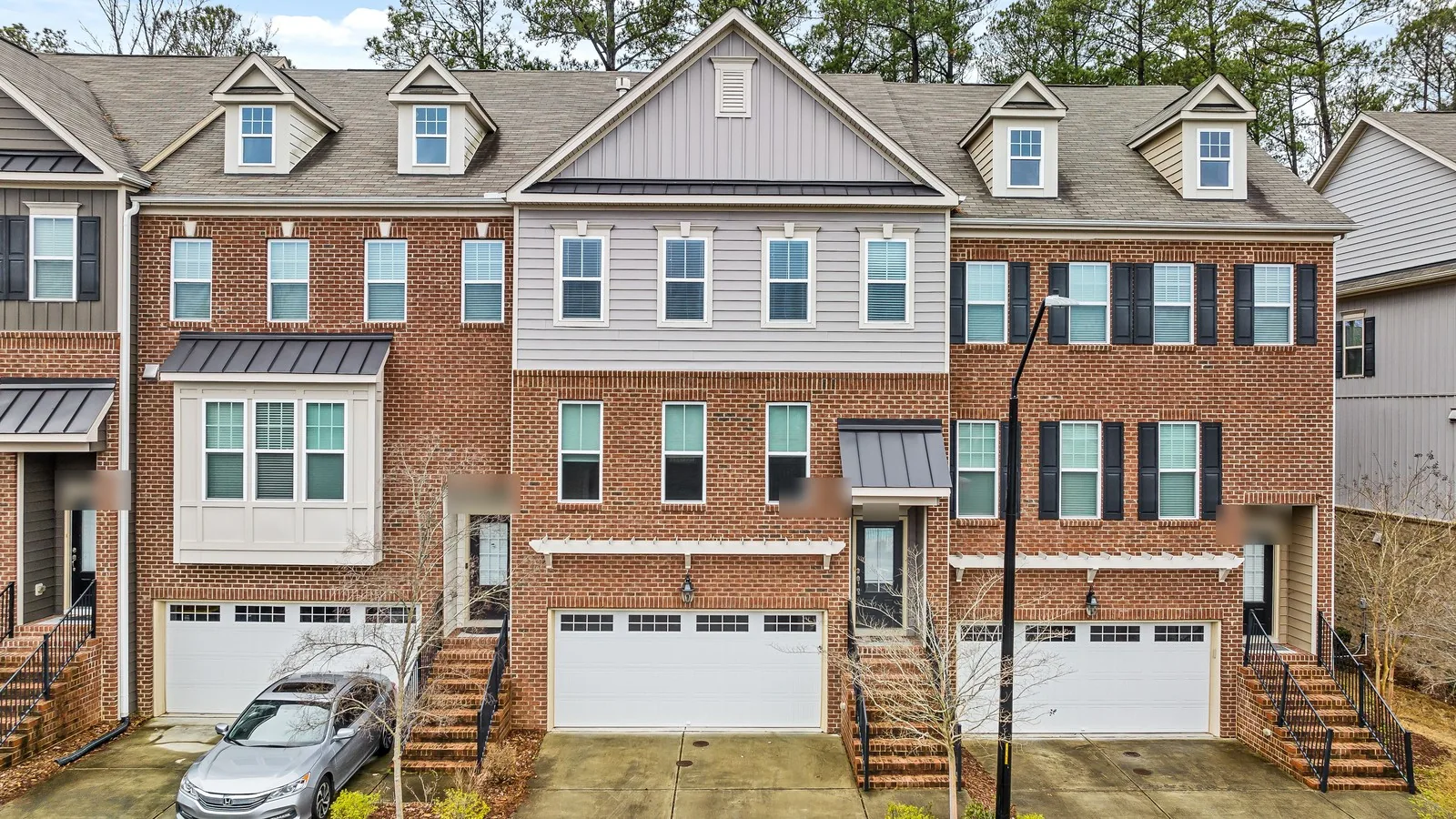
Two investors can own the same kind of duplex and need different loans. One wants to buy the house next door. The other wants equity for kitchen updates without touching a first mortgage she likes. Choosing between a DSCR loan vs a HELOC comes down to what you want to do with that first mortgage.
For the full walkthrough, start with my guide to HELOC on an investment property.
DSCR loan vs HELOC: what's the difference?
A DSCR loan is a first mortgage on a rental. You use it to buy the property, or to refinance and replace the mortgage already on it, with or without cash out. It qualifies on the property's rent compared with its payment.
A DSCR HELOC is a line of credit that sits behind the first mortgage you already have. You keep that loan and its rate, and you add a line against the equity. It also qualifies on the rent, not your personal income.
| DSCR loan | DSCR HELOC | |
|---|---|---|
| What it does | Buys the rental or replaces its first mortgage | Adds a line behind your existing first mortgage |
| Your current first mortgage | Paid off if you refinance | Stays in place |
| How the money arrives | At purchase, or one lump sum on a cash out | At least 80% of the line at closing, $50,000 minimum |
| Rent test | Rent compared with the new loan's payment | Rent compared with the first mortgage and the line together |
| Rate | Set on the new loan | Variable on the line |
When does a DSCR loan fit better?
A DSCR loan is the tool when you're buying a rental. A HELOC needs equity in a property you already own, so it can't be the loan on the property you're buying.
A DSCR loan also fits when you need one large sum and your first mortgage rate is high. A cash out refinance replaces that mortgage and pulls equity out in the same closing. You end up with one loan instead of two.
When does a HELOC fit better than a DSCR loan?
If your current rate is good, a HELOC usually makes more sense than a cash out refinance. You keep the first mortgage exactly as it is and borrow against the equity behind it. The new rate only touches the line.
Keep one detail in mind. At least 80% of a DSCR HELOC is drawn at closing, with a $50,000 minimum, so it works more like a lump sum at the start than a typical HELOC does. If you're also weighing a lump sum second loan, I compare those two in DSCR HELOC vs DSCR second mortgage.
How does the DSCR test differ between a DSCR loan and a HELOC?
On a DSCR loan, the rent is compared with the payment on that one loan. On a DSCR HELOC, the rent has to cover the first mortgage and the line together, including taxes, insurance, and any association dues. Many programs figure the line's payment on the full credit limit, not just what you draw.
For the HELOC, the result has to be 1.10 or higher, and my DSCR Calculator shows where your rental lands. Because two payments sit on the same rent, a rental can look comfortable on its first mortgage alone and still come out tight once a line is added. That's why I run the numbers both ways before you choose.
What do the two loans have in common?
Both are business purpose loans for investment and rental properties only, never a primary or second home. Both qualify on the property's rent instead of your personal income, so tax returns and W-2s usually are not the deciding factor.
The HELOC has a few rules of its own. A signed lease has to be in place, and on a 2 to 4 unit property no more than one unit can be vacant. The rent used is the lower of the lease or the appraiser's market rent.
Short term and vacant rentals don't fit the HELOC, and foreign nationals and ITIN borrowers aren't eligible for it. Mobile, manufactured, modular and log homes don't qualify, and neither do rural rentals. My DSCR HELOC page has the full requirements.
Where is each one available?
The two loans have separate state lists. DSCR loans on investment and rental properties are available in 37 states, and my Licensing page lists them with the vesting rules.
The DSCR HELOC states I work in are Alabama, Alaska, Arkansas, Colorado, Connecticut, Delaware, the District of Columbia, Florida, Georgia, Hawaii (not Hawai'i Island), Illinois, Indiana, Iowa, Kansas, Kentucky, Louisiana, Maine, Maryland (not Baltimore City), Michigan, Mississippi, Missouri, Montana (LLC only), Nebraska, New Hampshire, New Jersey, New Mexico, North Carolina, Ohio, Oklahoma, Pennsylvania, South Carolina, Texas, Vermont, Virginia (LLC only), Washington, Wisconsin and Wyoming. California is not eligible.
Related reading: using a HELOC to buy an investment property.
What's the next step?
Run your rent through the DSCR Calculator, once with the first mortgage alone and once with a line added. Text me at (207) 615-7770, or send the address, your balance, and the lease through the contact form. I'll compare both against your numbers, and the duplex can go back to paying its own way.
FAQ
Is a DSCR loan or a HELOC better for my rental property?
Travis Penny uses a DSCR loan when you're buying a rental or replacing its first mortgage, and a DSCR HELOC when you want equity from a rental while keeping the first mortgage you already have. If your current rate is good, the HELOC usually makes more sense.
Can I keep my first mortgage and still pull equity from my rental?
Yes, a DSCR HELOC from Travis Penny sits behind the existing first mortgage on your investment or rental property, so that loan and its rate stay in place. The line qualifies on the rent, not your personal income.
Can I use a HELOC instead of a DSCR loan to buy a rental?
No, Travis Penny finances a rental purchase with a DSCR loan, but a DSCR HELOC on a rental you already own can cover the down payment and closing costs. The new property still qualifies on its own rent.
Does the rent cover the payment?
Enter the rent and the full monthly payment to see the DSCR on a property before you make an offer.
Run your numbers