
Who Qualifies for a One-Time Close Construction Loan in Maine?
By Travis Penny, mortgage broker ·
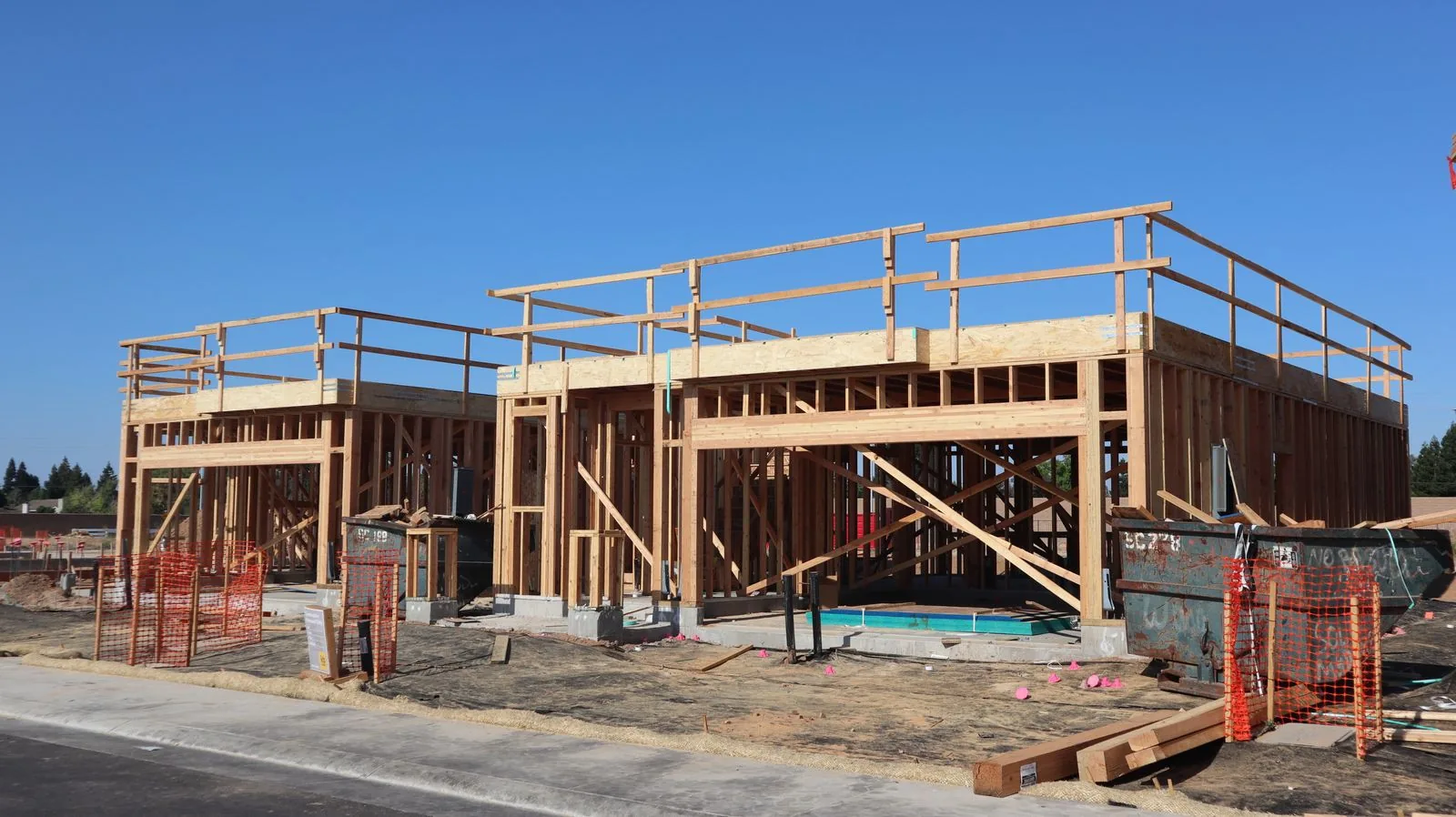
A one-time close construction loan asks more of you than a standard purchase. The lender is approving you, a piece of land, a builder, and a house that exists only on paper. All four have to hold up before anyone signs.
My Maine one-time close construction page covers how the loan works from closing to move in. This post covers who qualifies, piece by piece, and how the four main programs differ.
What does the lender check about you?
The borrower review looks a lot like any mortgage. The lender pulls your credit, verifies your income, and weighs your monthly debts against that income. That comparison is your debt to income ratio, and it's one of the main numbers a lender uses.
What's different is the timing. You close before construction starts, so you're approved for a house months before you can live in it. The appraisal is based on the plans and specifications, since the house isn't built yet. Keep your finances steady from application to closing, and tell me early about any big change you're planning.
Do you need to own the land first?
No. You can own the lot already or buy it at the same closing. FHA says the borrower must be buying the land at the construction loan closing or already own it. Fannie Mae's guide says the borrower must hold title to the lot, bought earlier or as part of the transaction.
At closing, part of the loan pays for the land or pays off what you still owe on it. The rest goes into an escrow account and is paid to the builder in draws as the work gets done. Under FHA, VA, and USDA rules, the lender needs your written approval before each draw is released.
What does your builder need to qualify?

The lender approves the builder, not just you. Here is what the federal programs spell out.
- FHA requires the builder to be a licensed general contractor
- USDA requires two or more years of experience building similar homes
- USDA also requires a state contractor license where the law calls for one, plus general liability insurance
- Under USDA, the lender reviews and approves each builder and keeps the proof on file
Expect the lender to ask for a signed construction contract with the builder's price, along with plans and specifications. FHA and USDA both call for the executed contract in the loan file.
Can you act as your own builder?
Usually not. FHA allows it only if you are a licensed general contractor yourself. USDA says builders constructing their own home are ineligible for its combined construction and permanent loan.
If you want to finish the basement yourself after you move in, that's a separate conversation. For the build the loan pays for, plan on hiring a licensed builder.
How do FHA, VA, USDA, and conventional versions differ?
All four close once, before construction starts, and become a regular mortgage when the house is done. The differences are in the details.
- FHA: a licensed general contractor, land owned or bought at closing, and your written approval on every draw
- VA: for eligible veterans and service members, and VA doesn't issue its guaranty until the home passes a final compliance inspection
- USDA: for eligible rural areas and household incomes, with a lender that has at least two years of construction lending experience, and condos don't qualify
- Conventional: Fannie Mae and Freddie Mac both allow a single closing, and you must hold title to the lot
Not every lender offers these loans. VA tells buyers plainly that not all lenders are willing or able to make construction loans, and USDA limits its version to lenders with construction experience. As a mortgage broker, I work with multiple lenders for my clients, so one lender's no doesn't end the search.
What changes when the lot is in rural Maine?
A lot outside a town center often has no public water or sewer. That means a well and a septic system, and both get attention before the loan closes. Maine sets the rules for septic design and permits through its subsurface wastewater program.
Site work, septic design, and the driveway belong in the budget from day one. My Maine building cost page walks through what goes into a build budget here, and my post on what a one-time close construction loan costs covers the loan side.
What should you have ready before you call?
Bring what you have, even if it's rough. An honest first look shows us where your file stands. Here is a good starting list.
- Recent pay stubs and your last two years of W-2s, or tax returns if you're self employed
- The deed to your lot, or the purchase contract if you're buying it
- Your builder's name, license, and a draft contract
- Plans, specifications, and a working budget
FAQ
Can you buy the land and build with one loan?
Yes. A one-time close loan can pay for the lot at the same closing, or pay off what you still owe on land you already own. The rest of the loan goes into escrow and pays the builder in draws.
Can you be your own general contractor?
Only in narrow cases. FHA allows it if you hold a general contractor license yourself, and USDA doesn't allow builders constructing their own home at all.
Does every lender offer one-time close construction loans?
No. VA notes that not all lenders are willing or able to make construction loans, and USDA limits its version to lenders with at least two years of construction lending experience.
Planning a build in Maine? Call or text me at (207) 615-7770 and I'll tell you plainly where your file stands.
Started in 2004 and I'm still here.
Sources
- https://www.hud.gov/program_offices/housing/sfh/handbook_4000-1
- https://archives.hud.gov/offices/adm/hudclips/handbooks/hsgh/4000-1/HB-4000-1-2025-01-10.pdf
- https://www.hud.gov/sites/dfiles/OCHCO/documents/19-08ml.pdf
- https://www.benefits.va.gov/HOMELOANS/documents/docs/VA_Buyers_Guide.pdf
- https://news.va.gov/141691/va-offers-construction-loans-for-veterans-to-build-their-dream-homes/
- https://www.ecfr.gov/current/title-7/section-3555.105
- https://usdalinc.sc.egov.usda.gov/docs/rd/sfh/3555/ByIndividualChapter/Chapter12_Property_Appraisal_Requirements_RPMB_Publication_trackchanges.pdf
- https://www.rd.usda.gov/programs-services/single-family-housing-programs/single-family-housing-guaranteed-loan-program
- https://eligibility.sc.egov.usda.gov/eligibility/welcomeAction.do
- https://selling-guide.fanniemae.com/sel/b5-3.1-01/conversion-construction-permanent-financing-overview
- https://selling-guide.fanniemae.com/sel/b5-3.1-02/conversion-construction-permanent-financing-single-closing-transactions
- https://sf.freddiemac.com/working-with-us/origination-underwriting/mortgage-products/construction-to-permanent-mortgages
- https://www.consumerfinance.gov/ask-cfpb/what-is-a-debt-to-income-ratio-en-1791/
- https://selling-guide.fanniemae.com/sel/b3-6-02/debt-income-ratios
- https://www.consumerfinance.gov/ask-cfpb/what-is-the-difference-between-a-mortgage-lender-and-a-mortgage-broker-en-130/
- https://www.consumerfinance.gov/ask-cfpb/how-does-a-mortgage-loan-officer-or-broker-get-paid-en-132/
- https://www.maine.gov/dhhs/mecdc/environmental-health/plumb/index.htm
- https://legislature.maine.gov/statutes/22/title22sec42.html
- https://yourhome.fanniemae.com/buy/home-loan-documents
Equal Housing Opportunity. General education, not a commitment to lend. Residential loans offered in Maine and Florida only.
Back to all posts